
Thomas Fraser
Knox County increases penalties for littering with fines going to illegal dump cleanup
The Knox County Commission in November voted to approve an ordinance further criminalizing the act of littering in Knox County, according to Hard Knox Wire.
According to the new measure, anyone caught littering could be fined up to $500 for the offense, depending on the amount and type of trash involved. Convicted offenders may also be sentenced to up to 160 hours of trash-pickup duties.
The provision also gives Knox County citizens the right to remove trash from rights of way at their own discretion
Littering is already illegal under state law, but the new ordinance allows Knox County to levy its own punishments. For instance, all money collected in the enforcement of the new ordinance will be placed into an illegal-dump cleanup fund maintained by the county.
Clemson University honors Smokies chief for conservation excellence

Clemson University awarded Great Smoky Mountains National Park Superintendent Cassius Cash the Walter T. Cox Award for conservation excellence for his dedication to preserving the natural resources of the most visited national park in the United States.
The Clemson University Institute for Parks, in conjunction with the George B. Hartsog Awards Progran, bestows the annual honor “to recognize individuals who demonstrate exemplary leadership in the field of conservation,” according to a news release from the park service.
“The Walter T. Cox Award recognizes park administrators who exemplify Dr. Cox’s distinguished career in education and public service. Superintendent Cash was one of five individuals recognized this year alongside other national and state park leaders.”
The institute said it gave Cash the award because of his “sustained achievement, public service and leadership in conserving and managing public lands. including the most biodiverse and most visited national park in the U.S.”
In acceptance of the award, Cash acknowledged the difficulties faced by managers of wild lands and other public conservation resources during the Covid-19 pandemic.
“Leading staff in providing high-quality services and protecting resources during the pandemic, coupled with an extreme rise in visitation, has been challenging,” Cash said in the release.
“I’ve been inspired by our staff, partners, and communities as we work together to care for the park and to continue to welcome people to this space for rejuvenation and healing. It is an honor to be recognized for this work.”
Visit Clemson Institute for Parks for more information about the award and a full list of honorees.
Get involved: Protestors lock arms to demand TVA swear off fossil fuels for good
 Protestors chant and wave signs urging TVA to commit to a fossil fuel-free future during a protest in downtown Knoxville this summer. Courtesy Amy Rawe/Southern Alliance for Clean Energy
Activists will demand TVA allow public comments during a protest planned for Wednesday morning outside TVA HQ in downtown Knoxville
Knoxville clean-air activists plan another protest Wednesday outside of Tennessee Valley Authority headquarters to demand a return to public-comment periods and a commitment the huge utility won’t rely on fossil-fuel energy sources in the future.
“Public input is critical right now, while TVA is considering building new, large fossil gas power plants and pipelines, even though they would be contrary to our need to cut greenhouse gas emissions in half by 2030,” said protest organizer Brady Watson of Southern Alliance for Clean Energy. Statewide Organizing for Community Empowerment is also coordinating the protest.
TVA project manager pleads guilty to falsifying reports

Hard Knox Wire: Failure to disclose financial conflicts could put TVA manager in prison
A former senior project manager at the Tennessee Valley Authority could spend up to five years in federal prison after he admitted to falsifying financial disclosure reports over several years.
TVA is the largest public electricity provider in the nation and is in the midst of a fraught effort to lessen its dependence on fossil fuels and reduce its carbon output.
James Christopher “Chris” Jenkins, 60, of Chattanooga, entered a guilty plea on Friday to one count of making a false official statement, according to a spokesperson from the U.S. Attorney’s Office, Hard Knox Wire reported.
He was accused of failing to disclose personal financial information during a conflict of interest probe, among other charges.
He faces a maximum prison sentence of five years plus up to three years of supervised release and $250,000 in fines when he’s sentenced in March by U.S. District Court Judge Travis R. McDonough.
FBI Special Agent in Charge Joe Carrico said the case was an example of the bureau’s commitment to fighting corruption.
“There is zero tolerance for those who exploit their official position for personal gain. It erodes public confidence and undermines the Rule of Law,” Carrico said. “We want the people we serve to know the FBI along with our law enforcement partners will hold those accountable who betray the public's trust.”
Get involved: Share your vision for the Tennessee River this evening
Open house for ideas at Mill and Mine is part of the Tennessee RiverLine project
You can share your cultural and environmental visions for the Tennessee River and Knoxville waterfront during an open house this afternoon hosted by members of the RiverTowns Program leadership team.
They will be taking down your thoughts as part of the overall Tennessee RiverLine project, which is a blueprint for economic development and ecotourism along the 652-mile length of the river, from Knoxville to Paducah, Kentucky.
The drop-in event is set for 4 to 7 p.m. today (Nov. 8) at the Mill and Mine, 227 W. Depot Ave. in downtown Knoxville.
Hellbender Press covered the dedication of the Tennessee RiverLine in May.
“Residents are invited to drop in and share their ideas about how Knoxville’s riverfront can be improved in the future to increase equitable public access to river spaces and experiences; improve river health and resource stewardship; and promote entrepreneurship and economic development for the city and region,” according to a news release.
A previous open house was canceled because of inclement weather. Similar events are planned for other locales along the line.
If you can’t make the event, you can share your thoughts about Knoxville’s riverfront on the Tennessee RiverLine’s online survey.
Mountain bikers plan campground in South Knoxville’s Urban Wilderness

Project would burnish Knoxville’s outdoor credentials
A group of local outdoor enthusiasts intend to establish a “bike-in bike-out” campground and construct an amenity-filled clubhouse and nature exhibits on 16 acres adjacent to Knoxville’s Urban Wilderness.
Carter Miller, a South Knoxville native, is the project’s general manager, partnering with locals Eva Millwood and Bryan Foster to craft the space on Sevierville Pike.
They gently dropped their “Drop Inn” concept Saturday at the Appalachian Mountain Bike Club fall festival in South Knoxville.
“We’re stepping out today with our new project that’s been in the works this year... it’s gaining momentum, and we are really, *really* stoked about it!” Millwood said on social media.
“So it’s The Drop Inn, Knoxville’s first on-trail bike-in, bike-out campground in the urban wilderness. A total of 16 acres adjacent to Marie Myers and William Hastie parks, with trail connectors along the Year Round Get Down.
Millwood said a formal media announcement is planned soon.
This article has been edited for clarity.
University of Tennessee climate panel: Scientists say don’t despair. Yet.

Scientists discuss climate challenges and solutions during 2021 One Health Day
As climate experts and scientists huddled in Glasgow in an international effort to stem potentially disastrous global environmental changes, a panel of doctors representing multiple disciplines at the University of Tennessee and beyond offered their assessments of climate challenges and solutions.
Their take on climate change? We have problems, but we also have solutions. Hopelessness will drive you crazy. Stay healthy, stay informed and do your part to mitigate the long-term environmental consequences of a changing Earth.
Above all: Don’t despair and don’t lose hope.
The panel, held Nov. 3 at the UT Student Union and presented by the UT One Health Initiative, consisted of the following experts:
— Dr. Gus Engman, Department of Forestry, Wildlife, and Fisheries, University of Tennessee Institute of Agriculture
— Dr. Kate Evans, Computational Sciences and Engineering Division, Oak Ridge National Laboratory
— Dr. Joshua Fu, Department of Civil and Environmental Engineering, University of Tennesse
— Dr. Sindhu Jagadamma, Biosystems Engineering and Soil Science, University of Tennessee Institute of Agriculture
— Dr. Kristina Kintziger, Department of Public Health, University of Tennessee
Answers have been edited for clarity and brevity and don’t include the full response. Questions were submitted ahead of time or during the panel discussion.
What do you see as the largest threats of climate change, especially related to your individual research interests?
Engman: Changing precipitation patterns are something I think about a lot.
Pretty much all the rivers in the world are expected to have changes to their flow regime.
These changes in droughts and floods are a really large issue.
I think a lot about aquatic communities. If we are scarce on drinking water, we are always going to prioritize people having that water, over the fish or the bugs in the streams.
There are all kinds of impacts to life histories and interactions with communities in streams.
When animals are stressed because of these changes in precipitation patterns and changes in flow patterns, they might become more susceptible to other stressors, like disease.
Changes in algal community composition can impact the entire water quality of a stream, and that might happen because of these changes in precipitation patterns.
These places that are experiencing these extreme droughts really worry me. The Colorado River already doesn’t even flow all the way to the ocean anymore. That’s a huge change. Because we take up so much water for agriculture.
If a stream runs out of water, it’s not a stream anymore.
Evans: From a meteorological perspective, the biggest event that hurts people's health is actually heat waves. A lot of press goes to tornadoes and hurricanes and storms but in fact these large domes of hot air (are deadly), which happen because of changes in the large-scale weather patterns.
The greenhouse effect insulates the earth, it makes it more uniform in temperature and so that changes the flow patterns that go around the earth. That changes those big weather systems that come in and how long they stick around.
When you talk about these long droughts, we know that’s what's we have to understand: Will they last longer, be more humid, less humid, and that has huge impacts for human health as well as the food they eat and the plants that grow.
Kintziger: Heat also has a bigger impact on a more indirect pathway to human health. Not just heat-related illness but also cardiovascular impacts, renal impacts and even mental health impacts.
Heat is the one that keeps me up at night. We are seeing increasing temperatures globally and we also have this urban heat island affect.
Our vulnerable populations in the cities — inner cities with lower-income housing, homeless populations — they are going to experience heat very differently than people who live in newer buildings with better cooling and infrastructure and have better capabilities for adapting to heat.
From climate change to water quality, UT One Health Day examines the challenges of our time
 Charles Henry Turner
The University of Tennessee One Health Initiative will host an impressive array of climate-related discussions, presentations and museum tours Wednesday, Nov. 3, at the UT Student Union on Cumberland Avenue in Knoxville. A virtual option is also available for the day-long event, which is affiliated with the 6th Annual World One Health Day.
The day will feature a “One Health and Climate Change” expert panel discussion, which is set for noon and includes perspectives ranging from the UT Institute of Agriculture to Oak Ridge National Laboratory.
A kayak outing and trash cleanup along the Tennessee River and its tributaries are also planned, as is a tour of UT Gardens, and the herbarium. McClung Museum at Circle Park will offer up its freshwater mussel collection for closer inspection and host a tour examining archaeology findings related to the indigenous inhabitants of Tennessee.
Check out University of Tennessee One Health Day for a full schedule and more information.
(Remember this?) Report: Sen. Joe Manchin, a holdout Democrat on climate-change legislation, is a “coal baron”
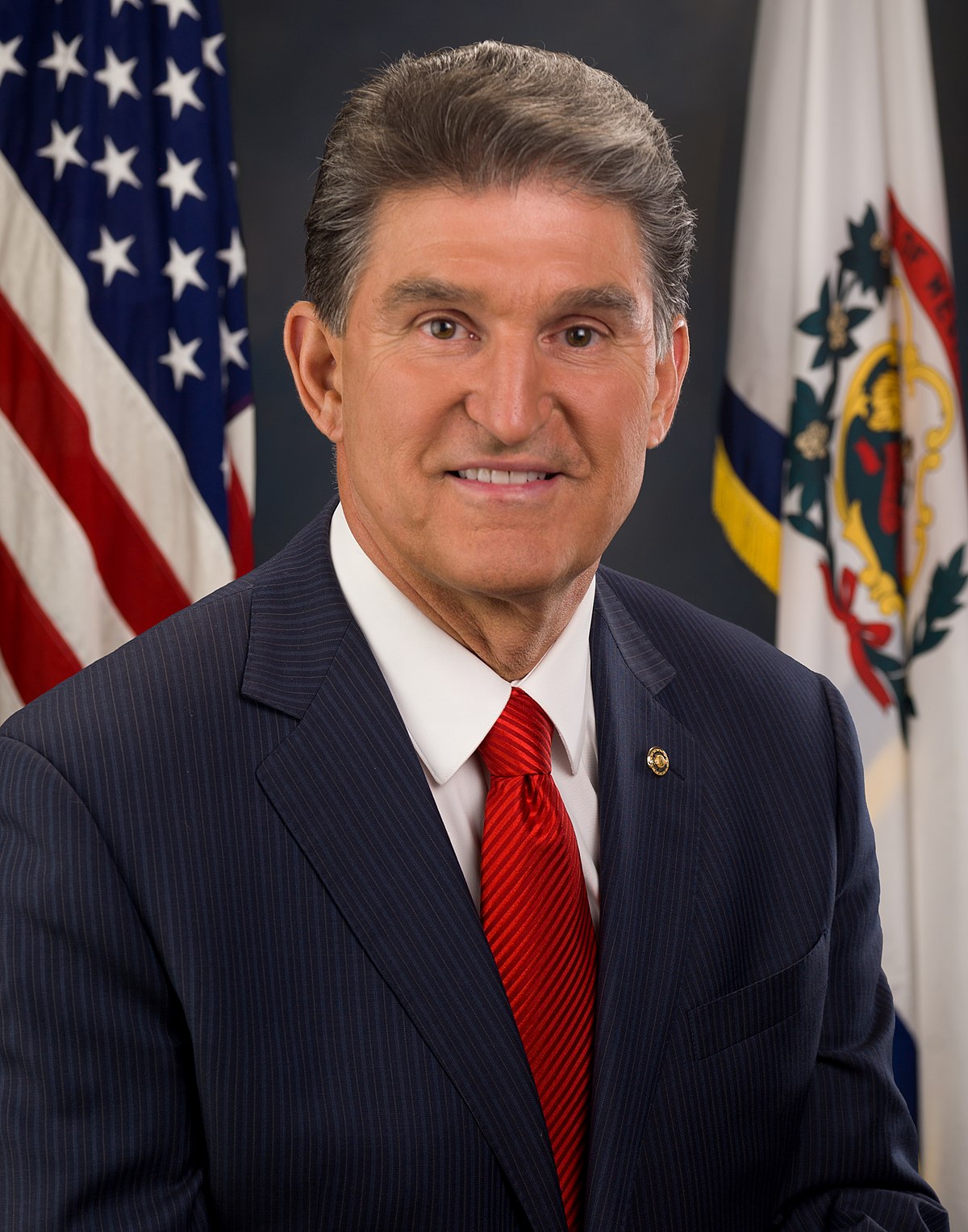
The Guardian: Manchin monkey-wrenches climate change legislation because he’s made millions off fossil fuels
West Virginia Sen. Joe Manchin, the Democratic linchpin for game-changing climate legislation proposed in a budget bill as part of the Biden administration’s plan to provide aid to families as well as give a boost to efforts to reduce global warming, has thrown a now-infamous wrench in the works.
He has vigorously opposed key parts of the climate legislation included in the 2022 budget bill. Per the Guardian, it’s simply because he and his family have made a fortune off coal extraction in the relatively impoverished state of West Virginia and elsewhere.
“Financial records detailed by reporter Alex Kotch for the Center for Media and Democracy and published in the Guardian show that Manchin makes roughly half a million dollars a year in dividends from millions of dollars of coal company stock he owns. The stock is held in Enersystems, Inc, a company Manchin started in 1988 and later gave to his son, Joseph, to run,” according to the Guardian.
“He has already effectively succeeded in stripping the bill of its most powerful climate change provision, a program that would have rapidly shut down coal and gas-fired power plants and replaced them with wind and solar power,” according to the New York Times.
Big South Fork seeking information on vehicles dumped in Blue Hole
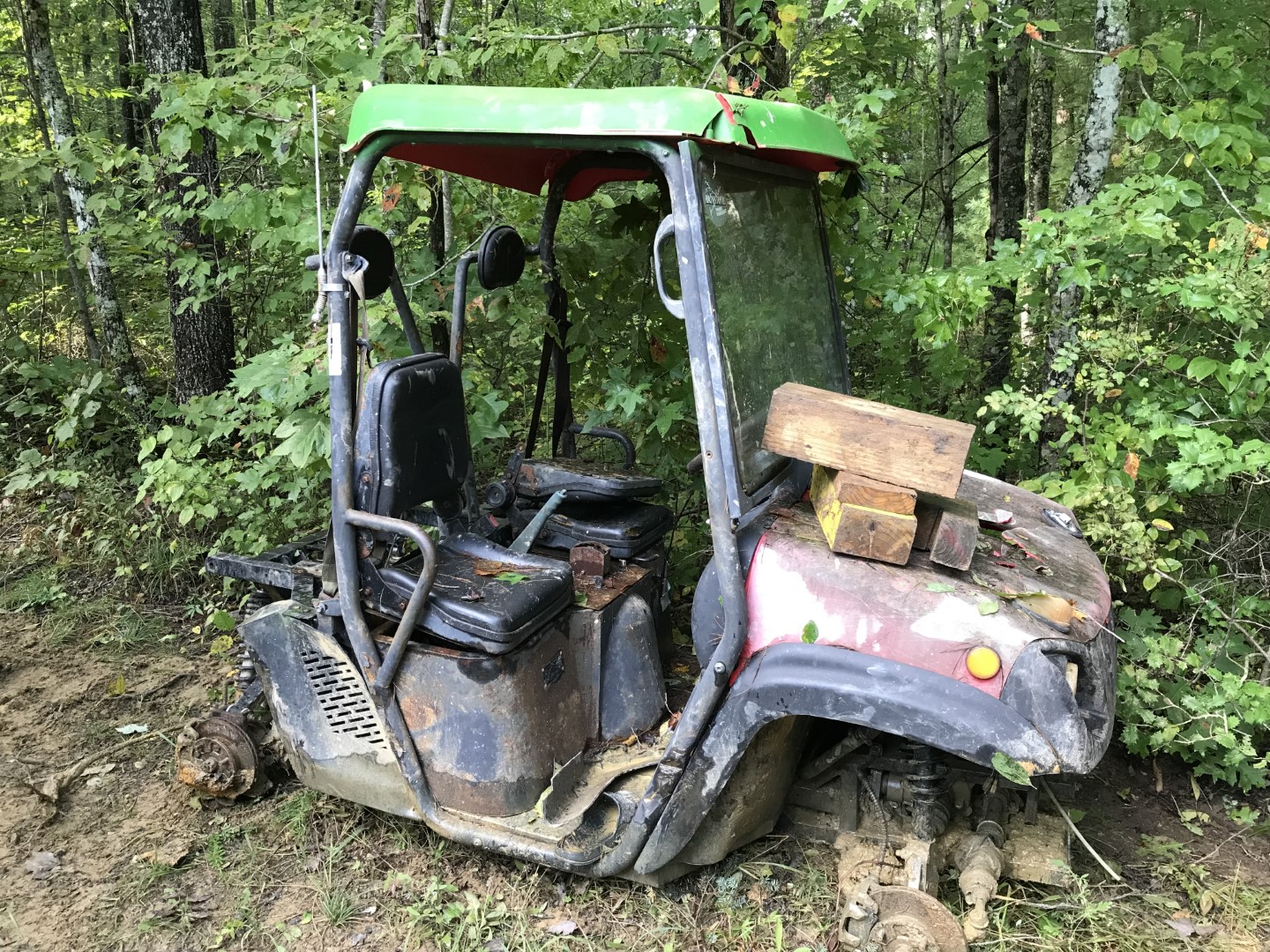
The National Park Service and officials with Big South Fork National River and Recreation Area are still looking for those responsible for dumping derelict vehicles in a remote part of the park known as Blue Hole.
Park staff found two vehicles and a boat illegally discarded in a section of the park closed to traffic. The junk was discovered Aug. 26 and staff and rangers had to pulled from other projects to clean up the mess.
Park staff recovered an abandoned vehicle, UTV, and boat from the Blue Hole section of the park that appeared to have been dumped in separate incidents.
“The resulting cleanup pulled staff away from planned trail work and public safety duties. Additionally, illegally dumping trash and other items create a negative visitor experience for those hoping to enjoy the serene natural beauty of Big South Fork NRRA,” said Superintendent Niki Stephanie Nicholas in a press release.
“Visitors are reminded that abandoning property in the park is prohibited by federal law.”
Anyone with information concerning these incidents is encouraged to contact the NPS at 423-223-4489 or leave a confidential message on the Resource Protection Tip Line at 423-569-7301.
The 24-hour tip line allows callers to remain anonymous.