
Displaying items by tag: emory river
Fish kills mount weeks after trainwreck along Emory River
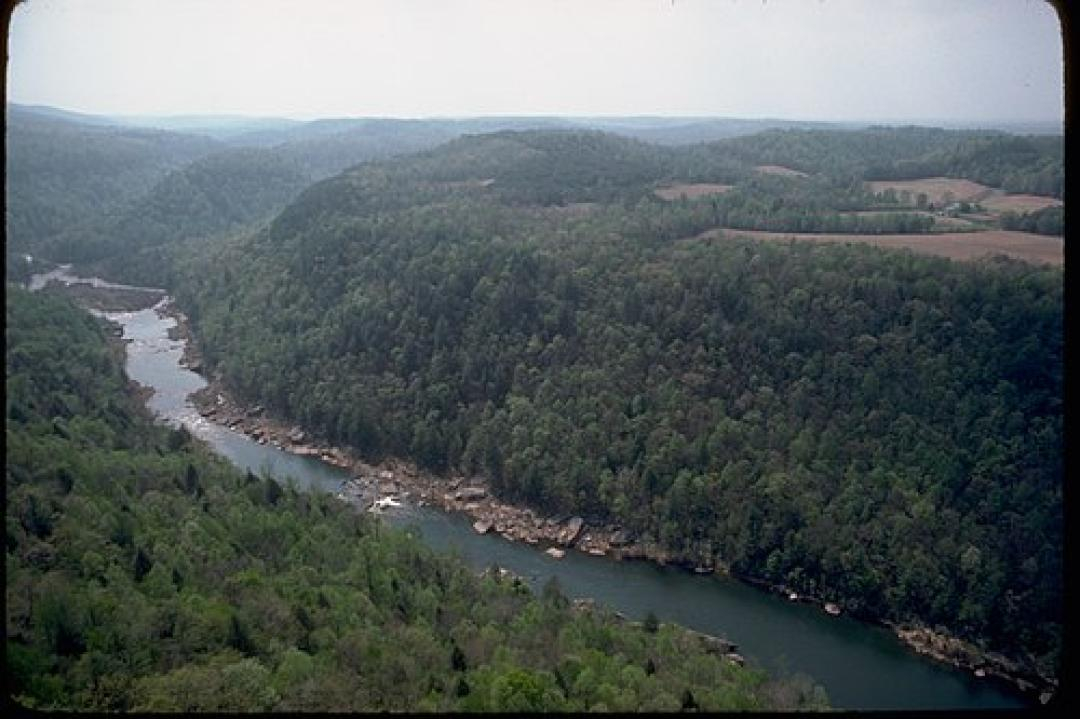 A popular swimming area and campground were closed in Obed Wild and Scenic River in Morgan County following a train derailment into the Emory River near its confluence with the Obed. Swimming areas have reopened, but fish kills have been detected in the river three weeks after the train derailment. National Park Service
Fire-fighting foam and as much as 30,000 gallons of ethanol spilled into river in Morgan County
LANCING — Weeks after a fiery trainwreck dumped thousands of gallons of ethanol into the Emory River, a popular recreation area closed by the spill reopened but fish kills persist.
The Environmental Protection Agency reported the Norfolk Southern Railway train was carrying ethanol tanks when it derailed along the Emory River on June 11 in the Lancing community of Morgan County. Twenty-nine cars derailed, including 19 denatured ethanol cars carrying about 25,000 to 30,000 gallons total. Three cars caught fire. The EPA and other agencies and first responders had “stabilized” the area by June 16 and put out the fires, according to EPA.
Obed Wild and Scenic River, a part of the National Park Service, closed its popular Nemo Bridge swimming area and Rock Creek Campground to swimming and fishing on Friday, June 12. It reopened that swimming area on Saturday, June 27.
17 years after TVA coal ash spill, pain lingers for families of cleanup workers
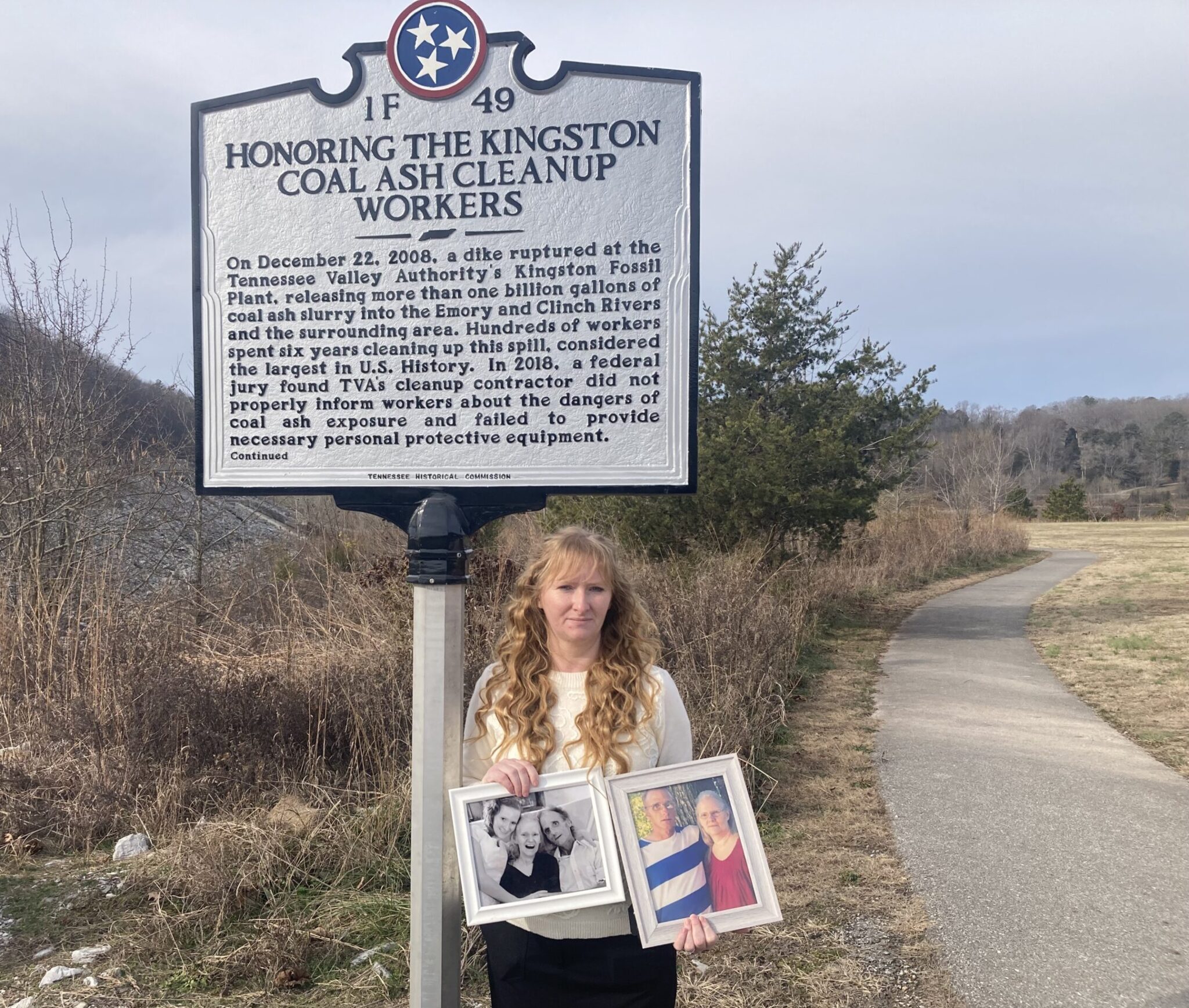 Jessica Waller, whose father worked on cleanup of a massive Tennessee Valley Authority coal ash spill, reflects on the effects of his work nearly 20 years after the spill. Benjamin Pounds for Tennessee Lookout
Jacobs Engineering required employees to work without personal protection in cleaning up toxic byproduct of coal burning; many died after the work.
This story was originally published by Tennessee Lookout.
HARRIMAN — Seventeen years have passed since a massive rupture at a Tennessee Valley Authority plant spilled more than 1.1 billion gallons of coal ash into Harriman, Tenn., but the event is still raw in Jessica Waller’s mind.
Waller’s father, Ernest Hickman, a union contractor for Jacobs Engineering Group, worked on cleanup of the spill.
Hickman died of emphysema, which Waller attributes to his contact with the ash over a six-year cleanup period — specifically beryllium, a naturally occurring metal used in the nuclear, automotive and aerospace industries; and arsenic, which is used in metal, technology and some medical uses.
Both are present in coal fly ash and are highly toxic.
She believes her mother, Patsy Hickman, also got ill from exposure after washing her husband’s clothes and other activities putting her in contact with the ash, causing her death of respiratory failure.
“It’s sad to know there’s a lot of people even here in Tennessee in the area who have no idea about the coal ash spill,” Waller said. “Or they do but they didn’t know the extent of the devastation that it caused, especially health-wise of making so many people sick.”
TennGreen Land Conservancy expands Cumberland Trail
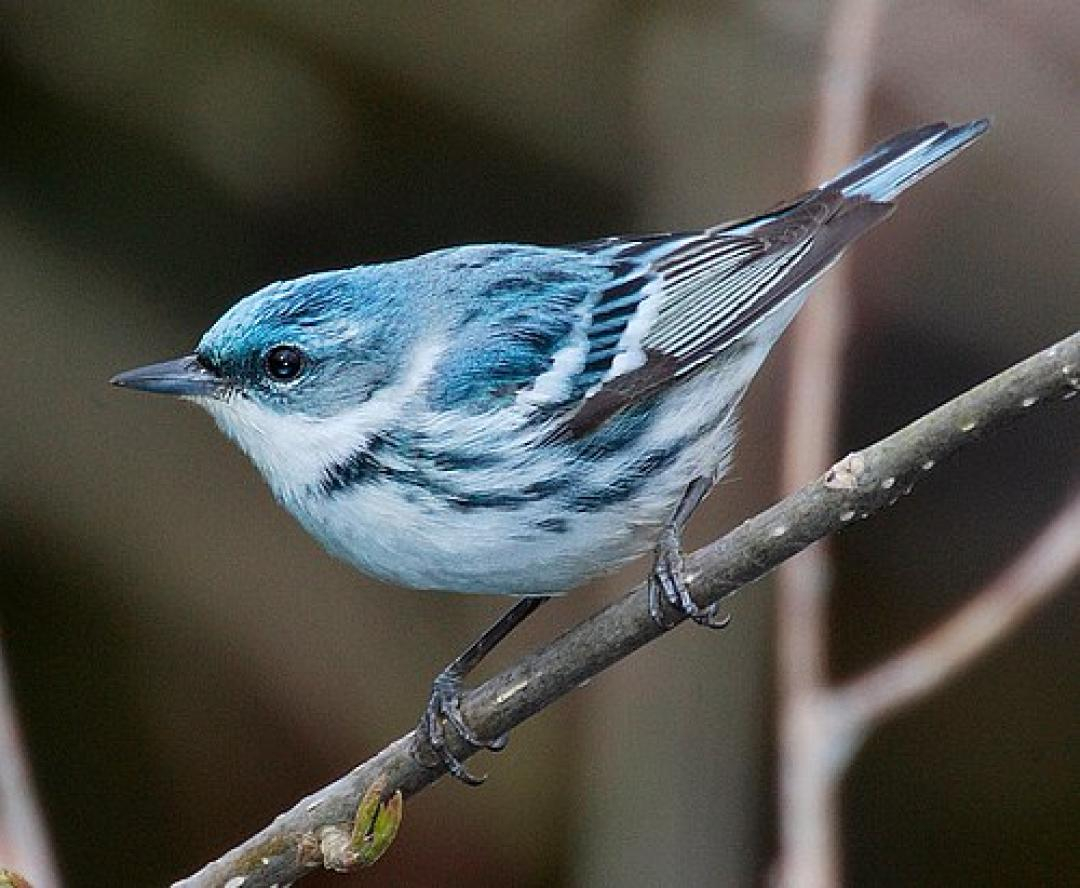 The cerulean warbler is among the bird species and others that will benefit from the latest land acquisition to expand the Cumberland Trail near the Emory River in Tennessee. Wikipedia Commons
Nature Conservancy partners on Emory River watershed protection
WARTBURG — TennGreen Land Conservancy acquired about 58 acres near Wartburg to expand the Justin P. Wilson Cumberland Trail State Park and the Cumberland Trail. This important acquisition strengthens the long-term vision of connecting Tennessee’s first linear park from the Morgan County Visitor Center to Frozen Head State Park.
“TennGreen has long been committed to advancing the vision of the Cumberland Trail, and this acquisition represents an important step in enhancing trail connectivity while protecting ecologically rich lands,” said Alice Hudson Pell, TennGreen’s Executive Director.
The newly acquired property lies within several significant conservation planning areas, including the Catoosa, Frozen Head, and Upper Cumberland Areas of Interest (as designated by the Heritage Conservation Trust Fund) and the Catoosa/Emory River Conservation Opportunity Area. It also provides vital habitat for high-priority species including green salamanders (Aneides aeneus) and cerulean warblers (Setophaga cerulea).