
Displaying items by tag: why are introduced species bad
VT researchers: Exotic species are destroying forest seed systems
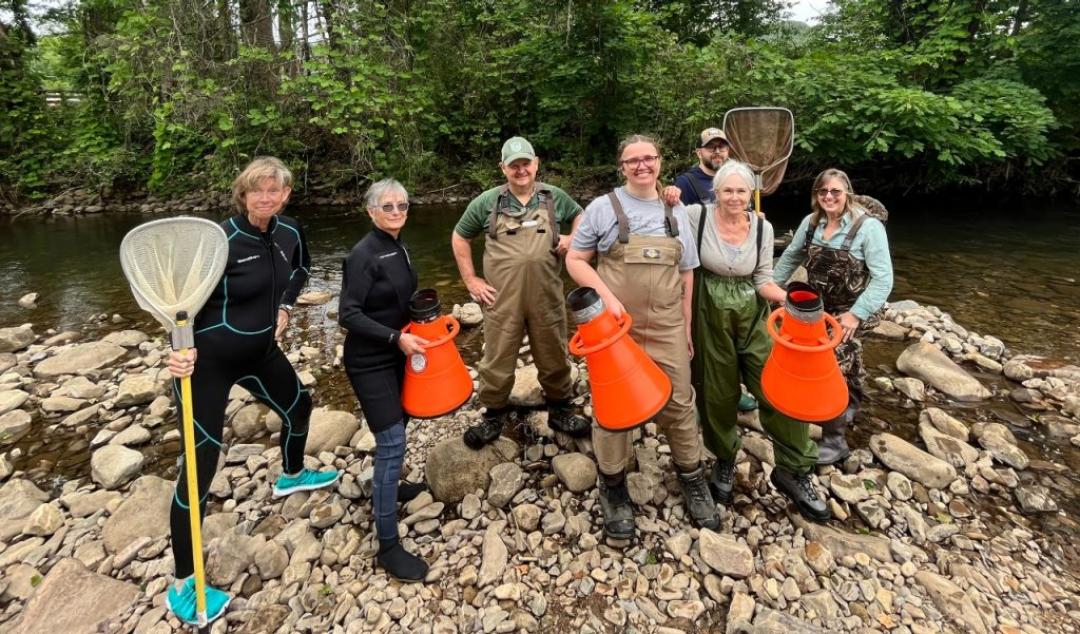 Researchers study seeds at a collection site to see how data from 120 islands helps shape the bigger picture of seed dispersal. Haldre Rogers
Introduced species are changing how seeds move on islands, global study shows
Max Esterhuizen is the Virginia Tech College of Natural Resources and Environment director of communications and marketing.
BLACKSBURG — When birds, bats, and reptiles eat fruit, they help keep forests healthy by carrying seeds away from parent trees. On islands around the world the balance of which animals eat fruit and whether those animals disperse or destroy seeds has shifted dramatically.
A new study published Oct. 7 in the Proceedings of the National Academy of Sciences found that species introductions, more than extinctions, are reshaping this ecological process across 120 islands worldwide. The changes matter because seed dispersal drives forest regeneration, plant diversity, and long-term ecosystem health.
Virginia Tech ecologist Haldre Rogers, associate professor in the College of Natural Resources and Environment and the Department of Fish and Wildlife Conservation, was part of the international research team. Rogers contributed data from the Mariana Islands, a region where invasive brown tree snakes have wiped out most native forest birds. On Guam, the loss of birds and fruit bats has nearly erased natural seed dispersal, creating one of the most extreme examples anywhere.
According to the study, large-bodied flying animals that once dispersed seeds are being lost, while many of the newcomers are mammals that eat fruit but destroy the seeds.