
“Every single day, we’re seeking to limit our power, but to do it responsibly to the single best reading of the law, and to help boost manufacturing,” he told summit attendees gathered in a Franklin hotel.
Zeldin announced in June that the EPA won’t set nationwide environmental standards for data centers, leaving the issue to states and communities.
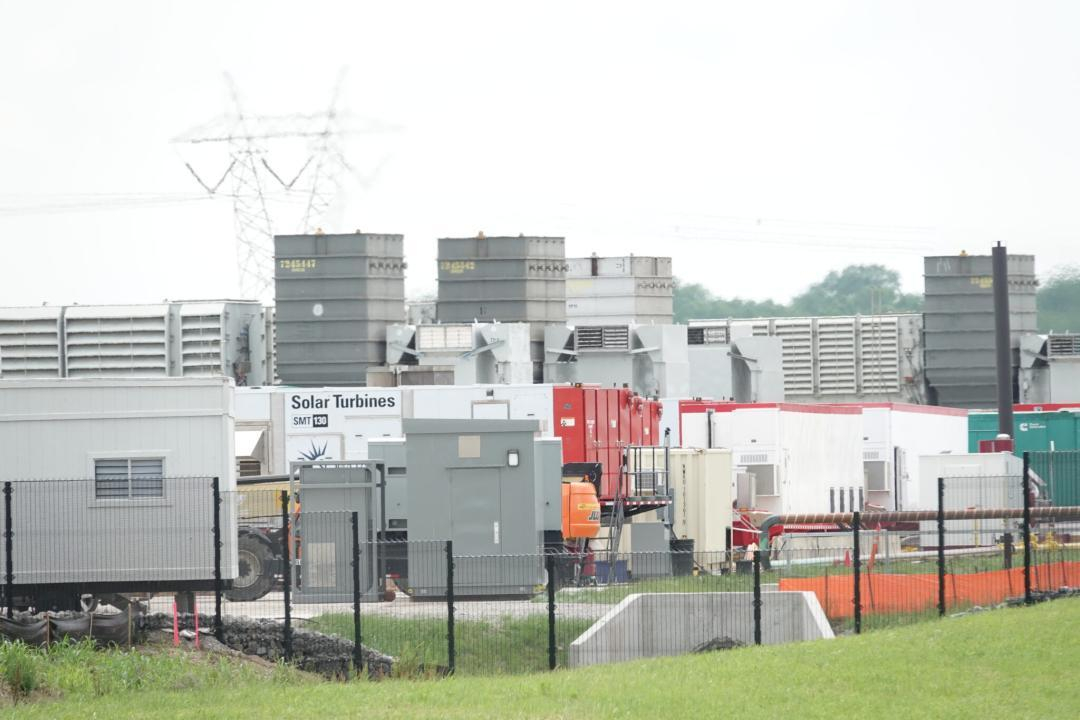
Tennessee legislators this year enacted a law stipulating that the owners of data centers requiring at least 50 megawatts of power must pay for any infrastructure upgrades needed to produce the electricity the center needs. The law also allows data centers to produce their own power without state or local oversight using equipment like gas turbines, something opponents say removes important guardrails protecting communities from pollution. Data centers can also purchase power from independent producers.
Metro Nashville Council members are considering ordinances that would limit where data centers can be located, or institute a moratorium on new projects until regulations are set. Hundreds of area residents spoke against a proposed data center project on land near the Nashville Zoo at a council meeting on July 7. Nashville Mayor Freddie O’Connell has filed eminent domain legislation to buy the property where the data center would be built, though this and other ordinances may not ultimately succeed in blocking the project.
Republican Tennessee gubernatorial candidate U.S. Sen. Marsha Blackburn also spoke against the proposed data center’s placement next to the zoo, where she once served as a board member.
Multiple local governments in Tennessee have recently placed or considered their own temporary pauses on data center permit approvals at the behest of residents concerned about the facilities’ intensive electricity and water use and potential to cause air and noise pollution.
Zeldin did not mention concerns about noise or air pollution, particularly from gas-powered turbines sometimes used to power the centers.
Zeldin declined to comment on ongoing litigation, including about the timeline for the EPA joining the case.
The federal agency is considering eliminating its requirement for public feedback for some new or modified “minor sources” of emissions, which can include gas-powered generators used to power some data centers. Instead, state and local air quality agencies would determine “whether, when, and for how long to provide opportunities for public participation,” according to an agency news release. The EPA will hold a virtual public hearing on the proposed change on July 22.
The agency proposed another rule change in June that would allow facilities including data centers and power plants to start construction on parts of new facilities before receiving permits required under the Clean Air Act, so long as those building components alone don’t emit pollutants. The proposal was met with pushback from health and environmental organizations, who say the new rule would allow the majority of buildings to be completed before the public could weigh in or push for changes.
The EPA states that the proposed rule “is intended to provide additional flexibility” for facility owners and operators and the permitting authorities that regulate them to reduce regulatory burden and “foster economic growth.”